
Ethiopia’s Coffee Revolution: Five-Year National Plan Targets $6 Billion Export Revenue by 2031
Ethiopia, widely recognized as the birthplace of coffee, has announced an ambitious five-year national coffee development package designed to transform the country’s coffee industry and increase annual export revenue to $6 billion by 2031.
The new strategy focuses on improving coffee productivity, strengthening quality standards, expanding international markets, and increasing the economic benefits received by millions of Ethiopian coffee farmers.
Coffee has been one of Ethiopia’s most important agricultural products for centuries. Beyond its cultural importance, the sector plays a major role in employment creation, rural development, and foreign currency generation.
Through this new development package, Ethiopia aims to move from being a major coffee producer to becoming a stronger global competitor in production efficiency, quality, and value-added coffee exports.
National Coffee Development Package Introduced to Transform the Sector

Stakeholders from across Ethiopia’s coffee value chain gathered at a national consultation forum held at the Ministry of Agriculture on June 27, 2026, to discuss the future direction of the country’s coffee industry.
The forum brought together government officials, coffee producers, exporters, researchers, agricultural experts, and industry partners to review strategies that can accelerate coffee sector growth.
During the consultation, Ethiopian Coffee and Tea Authority (ECTA) Director General Dr. Adugna Debela explained that the new five-year package focuses on increasing productivity while maintaining Ethiopia’s reputation for producing high-quality specialty coffee.
The plan represents a major effort to address existing challenges in coffee production, including low productivity levels, aging coffee trees, limited processing capacity, and the need for stronger international market connections.
Major Target: Increasing Coffee Productivity by More Than Double
One of the central goals of Ethiopia’s coffee development strategy is improving productivity from current levels of approximately 900 kilograms per hectare to around 2,100 kilograms per hectare by 2031.
| Current Productivity | Approximately 900 kg per hectare |
| 2031 Target | Approximately 2,100 kg per hectare |
| Current Average Yield | About 9 quintals per hectare |
| Future Target Yield | About 21 quintals per hectare |
Achieving this target would significantly improve Ethiopia’s competitiveness with leading coffee-producing countries such as Brazil and Vietnam, where productivity levels are generally higher due to advanced farming systems and technology adoption.
From $3 Billion to $6 Billion Coffee Export Revenue
The Ethiopian government expects productivity improvements and market expansion efforts to increase annual coffee export earnings to approximately $6 billion by 2031.
This goal represents a significant increase from the country’s record coffee export performance of about $3 billion during the 2025/26 fiscal year.
- Coffee contributes a major share of Ethiopia’s export earnings.
- More than 6 million smallholder farming households depend on coffee production.
- The sector supports millions of jobs throughout farming, processing, transportation, and export activities.
Government Focus on Quality, Traceability and Value Addition
Ethiopia’s coffee success in recent years has been supported by reforms aimed at improving quality and increasing the value generated from coffee exports.
Instead of focusing only on exporting raw coffee beans, Ethiopia is working to strengthen processing, branding, and value-added coffee products that can generate higher returns in international markets.
The government has introduced measures focused on:
- Improving coffee quality standards.
- Expanding coffee traceability systems.
- Supporting farmers with improved production methods.
- Increasing access to global specialty coffee markets.
- Encouraging coffee processing and value addition.
Supporting Millions of Ethiopian Coffee Farmers
The success of Ethiopia’s coffee industry depends heavily on the millions of smallholder farmers who produce the majority of the country’s coffee. For many rural communities, coffee is not only an agricultural product but also a source of income, employment, and economic stability.
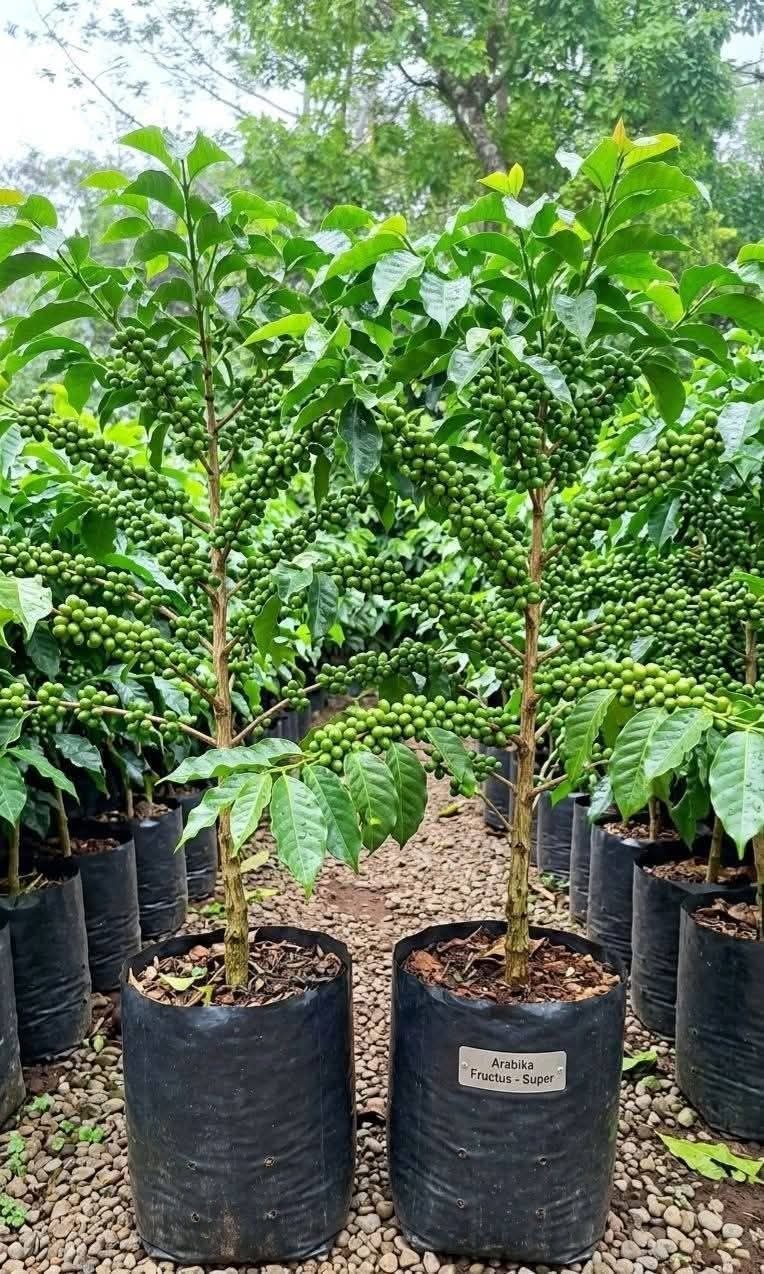
The five-year coffee development package places strong emphasis on supporting farmers through improved agricultural practices, access to better coffee seedlings, training programs, and modern production techniques.
By increasing productivity at the farm level, Ethiopia aims to ensure that coffee-growing communities receive greater economic benefits while maintaining the unique characteristics that make Ethiopian coffee famous worldwide.
Key Areas of Farmer Support Include:
- Distribution of improved coffee varieties.
- Training farmers on modern coffee management techniques.
- Rehabilitation of aging coffee farms.
- Improving access to agricultural services.
- Strengthening connections between farmers and international markets.
Improving farmer productivity is considered one of the most important steps toward achieving Ethiopia’s long-term coffee export ambitions.
Restoring Old Coffee Trees and Expanding Production Capacity
One of the major challenges facing Ethiopia’s coffee sector has been the presence of aging coffee trees that produce lower yields compared to improved varieties.
Through national coffee rejuvenation programs, Ethiopia is working to replace old coffee trees, improve farm productivity, and protect the future sustainability of coffee production.
These initiatives are expected to help farmers increase production without compromising Ethiopia’s unique coffee quality and biodiversity.
- Young coffee trees generally provide higher productivity.
- Improved varieties can increase resistance to agricultural challenges.
- Better farm management improves long-term coffee sustainability.
Expansion of Commercial Coffee Farming in Ethiopia
Alongside supporting smallholder farmers, Ethiopia is also expanding opportunities for commercial coffee production.
Approximately 100,000 hectares have been identified for mechanized commercial farming activities, creating opportunities for increased production capacity and improved supply consistency.
Commercial coffee farms are expected to complement smallholder production by introducing modern technologies, efficient farming methods, and stronger supply chain systems.
Growing International Demand for Ethiopian Coffee
Ethiopian coffee has a strong reputation in global markets because of its distinctive flavors, diverse varieties, and historical connection with coffee culture.
Specialty coffee buyers around the world continue to seek Ethiopian coffee because of its unique characteristics, including floral aromas, fruit notes, and regional differences.
The new development package aims to strengthen Ethiopia’s position as a reliable supplier of high-quality coffee while increasing the country’s share of international coffee markets.
New Market Opportunities Supporting Coffee Growth
Expanding access to international markets is another important component of Ethiopia’s coffee development strategy.
The country is benefiting from new trade opportunities and partnerships that can increase demand for Ethiopian coffee products.
Important Market Opportunities Include:
- Asian Markets: Growing coffee consumption in countries such as China creates new opportunities for Ethiopian exporters.
- African Continental Free Trade Area (AfCFTA): Regional trade integration can support increased coffee movement across African markets.
- Specialty Coffee Markets: Premium coffee buyers continue to create opportunities for higher-value Ethiopian coffee exports.
By diversifying export destinations, Ethiopia can reduce dependence on traditional markets and create more stable income opportunities for the coffee sector.
Technology and Innovation in Ethiopia’s Coffee Future
Modern technology is expected to play an increasingly important role in achieving Ethiopia’s coffee production goals.
Digital agriculture tools, improved farming information systems, better processing technologies, and stronger data collection methods can help farmers and exporters make better decisions.
Technology Areas Supporting Growth:
- Digital farmer information systems.
- Improved coffee processing equipment.
- Better quality testing and certification systems.
- Modern supply chain management.
- Improved export tracking and traceability.
These improvements can help Ethiopian coffee compete more effectively in international markets while maintaining its reputation for quality.
Why Ethiopia’s $6 Billion Coffee Export Target Could Become Reality
Although reaching $6 billion in annual coffee exports is an ambitious goal, several factors provide strong support for achieving this target.
- Increasing Production: Productivity improvements could significantly increase total coffee output.
- Strong Global Reputation: Ethiopian coffee already has a premium position among specialty coffee consumers.
- Market Expansion: New trade relationships can increase export opportunities.
- Value Addition: More processed coffee products can generate higher export earnings.
- Government Investment: Continued policy support can accelerate sector transformation.
The combination of higher productivity, improved quality, and stronger global connections creates a foundation for Ethiopia’s coffee industry to enter a new era of growth.
The Economic Impact of Ethiopia’s Coffee Growth Strategy
The planned expansion of Ethiopia’s coffee sector is expected to create significant economic benefits beyond export revenue growth. Coffee plays a central role in Ethiopia’s rural economy, supporting farmers, traders, processors, transport providers, and exporters.
Increasing coffee production and improving market access could contribute to stronger rural incomes, increased employment opportunities, and greater foreign currency earnings for the country.
If Ethiopia achieves its $6 billion coffee export target by 2031, the additional revenue could support broader economic development initiatives and strengthen the country’s position in the global agricultural market.
Expected Economic Benefits Include:
- Higher income opportunities for coffee-producing communities.
- More employment opportunities across the coffee value chain.
- Increased foreign exchange earnings.
- Growth of coffee processing industries.
- Improved investment opportunities in agriculture.
Opportunities for International Coffee Buyers and Investors
Ethiopia’s coffee transformation creates new opportunities for international buyers, coffee companies, and investors interested in long-term partnerships.
As production capacity increases and quality systems improve, global coffee businesses may have greater opportunities to establish reliable sourcing relationships with Ethiopian producers and exporters.
International companies interested in Ethiopian coffee may benefit from:
- Access to diverse specialty coffee varieties from different Ethiopian regions.
- Long-term partnerships with coffee exporters and producers.
- Opportunities in coffee processing and value-added products.
- Participation in Ethiopia’s growing coffee supply chain.
Building strong partnerships early can help international businesses participate in Ethiopia’s expanding coffee market as the sector continues to develop.
Challenges Ethiopia Must Address to Reach the 2031 Goal
While Ethiopia’s coffee development plan presents major opportunities, achieving the $6 billion target will require addressing several challenges.
Key Challenges Include:
- Climate Change: Changing weather patterns can affect coffee production and quality.
- Infrastructure Development: Better transportation, storage, and processing facilities are needed.
- Farmer Support: Continuous training and access to agricultural resources remain essential.
- Market Competition: Ethiopia must continue improving efficiency to compete with major coffee-producing countries.
- Quality Management: Maintaining consistent quality is important for premium international markets.
Addressing these challenges will be critical to ensuring sustainable growth and protecting Ethiopia’s position as one of the world’s most important coffee origins.
Ethiopia’s Coffee Industry Outlook Toward 2031
The next five years represent a significant period of transformation for Ethiopia’s coffee sector. With increased investment, improved farming methods, and stronger international partnerships, the country has the opportunity to unlock greater value from its coffee resources.
The focus is shifting from simply increasing production toward creating a more competitive, sustainable, and profitable coffee industry.
By combining traditional coffee knowledge with modern agricultural approaches, Ethiopia aims to strengthen its identity as a global leader in specialty coffee.
- Increase coffee productivity.
- Expand export revenue to $6 billion.
- Improve farmer livelihoods.
- Strengthen global coffee partnerships.
- Promote Ethiopian coffee worldwide.
Frequently Asked Questions (FAQ)
1. What is Ethiopia’s coffee export target for 2031?
Ethiopia aims to increase annual coffee export earnings to approximately $6 billion by 2031 through improved productivity, quality enhancement, and market expansion.
2. Why is coffee important for Ethiopia’s economy?
Coffee is one of Ethiopia’s most important export commodities and supports millions of smallholder farming households and workers across the coffee value chain.
3. How will Ethiopia increase coffee production?
The country plans to increase productivity through improved coffee varieties, farmer training, rehabilitation of old coffee trees, modern farming practices, and technology adoption.
4. What is the current coffee productivity level in Ethiopia?
Current productivity is estimated at around 900 kilograms per hectare, with the government targeting approximately 2,100 kilograms per hectare by 2031.
5. Why is Ethiopian coffee popular globally?
Ethiopian coffee is internationally recognized for its unique flavors, specialty varieties, traditional origins, and high-quality characteristics.
Conclusion: Ethiopia’s Coffee Future Looks Promising
Ethiopia’s five-year coffee development package represents a major opportunity to transform one of the country’s most valuable economic sectors.
By improving productivity, supporting farmers, expanding markets, and increasing value addition, Ethiopia aims to double coffee export earnings and strengthen its role in the global coffee industry.
The journey toward $6 billion in coffee exports by 2031 will require cooperation among farmers, government institutions, exporters, investors, and international partners. However, with Ethiopia’s rich coffee heritage and growing global demand, the country has strong potential to achieve a new era of coffee growth.
Ethiopia’s coffee sector is attracting increasing global attention as production, exports, and international demand continue to grow. For a deeper look at the latest developments shaping the country’s coffee market, read our related article: Ethiopia’s Coffee Industry Is Brewing Something Big in 2026 and the World Is Paying Attention .