
Coffee lovers don’t usually think about supply forecasts, export numbers, or trade shifts when they take their first sip in the morning. Fair enough—it’s usually just “need caffeine now” energy.
But behind that cup, something interesting is happening in Ethiopia, one of the most important coffee origins in the world. And 2026 is shaping up to be a pretty significant year.
Let’s break it down in a simple, human way—no heavy jargon, just what actually matters.
Ethiopia and Coffee: More Than Just an Industry
In Ethiopia, coffee isn’t treated like an ordinary crop. It’s woven into daily life. Homes don’t just “make coffee”—they perform coffee ceremonies that can take time, care, and conversation. It’s social, cultural, and deeply traditional.
So when people talk about Ethiopia’s coffee production or exports, they’re really talking about something that touches millions of lives, from smallholder farmers to global buyers.
And right now, that system is shifting in a noticeable way.

Production Is Expected to Stay Strong in 2026/27
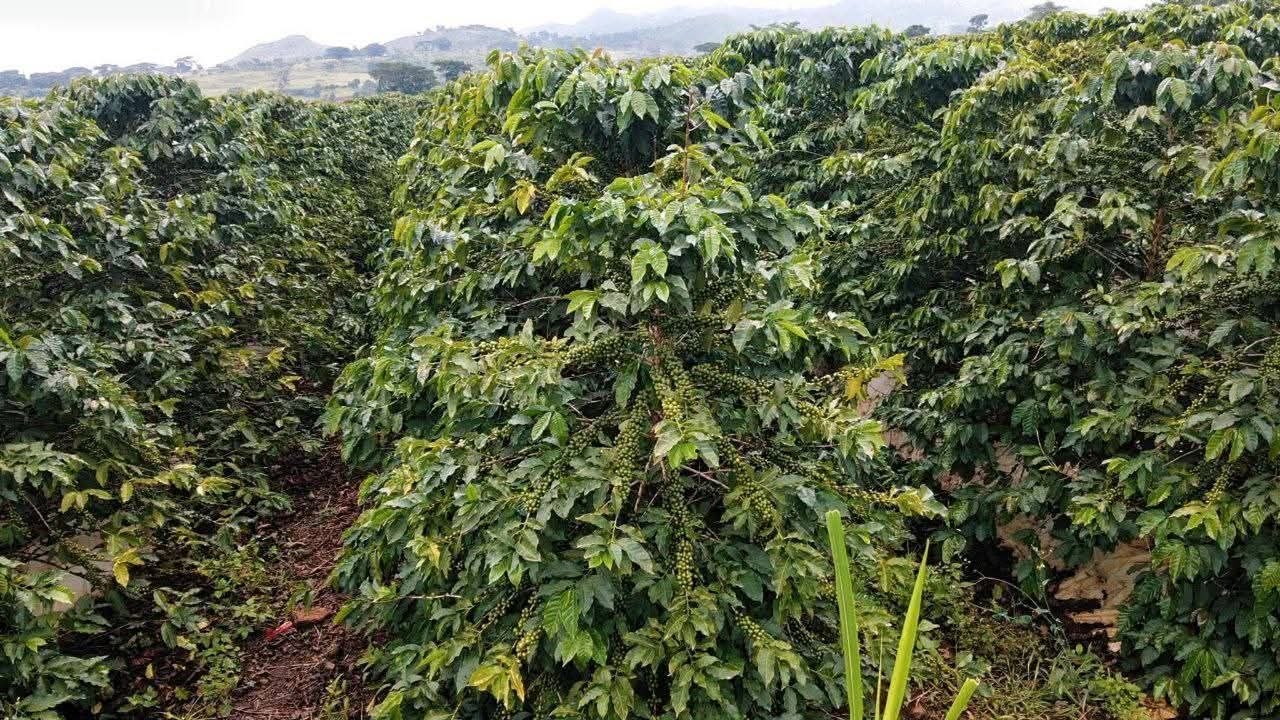
Forecasts suggest Ethiopia could produce around 12.10 million bags of coffee (each bag weighing 60 kg of green beans) in the 2026/27 market year.
That number matters, but what matters more is why it’s happening.
A few key drivers are behind this steady outlook:
- Weather conditions expected to remain mostly normal
- Gradual improvements in farm practices
- Better management of coffee-growing areas
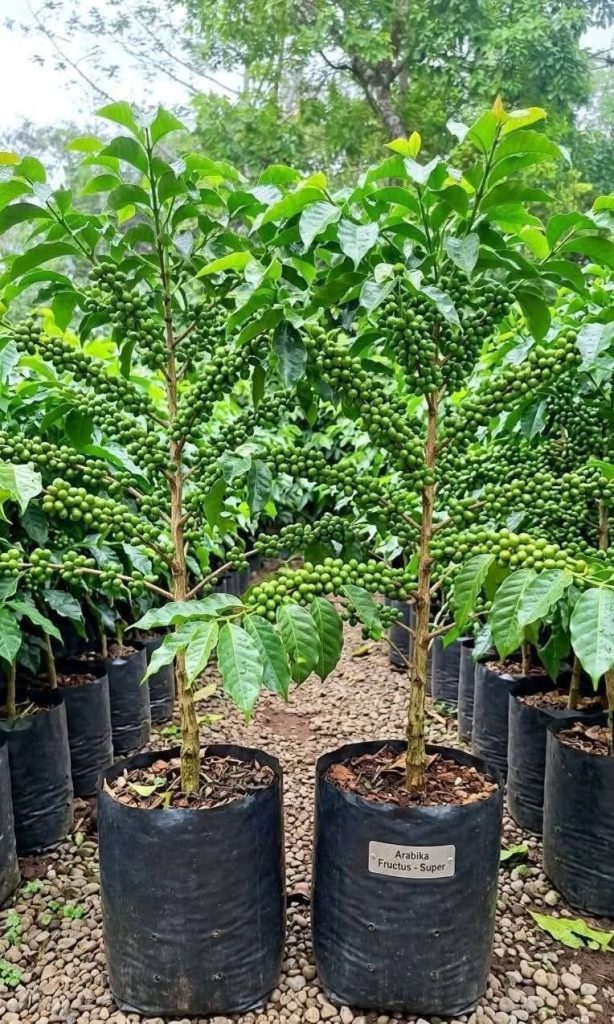
- Continued focus on quality Arabica production
In plain terms, farmers are getting more consistent results, and that stability is a big deal in agriculture.
When coffee grows well in Ethiopia, the ripple effects reach cafés, roasters, and consumers across the world.
Export Growth Shows Strong Global Demand
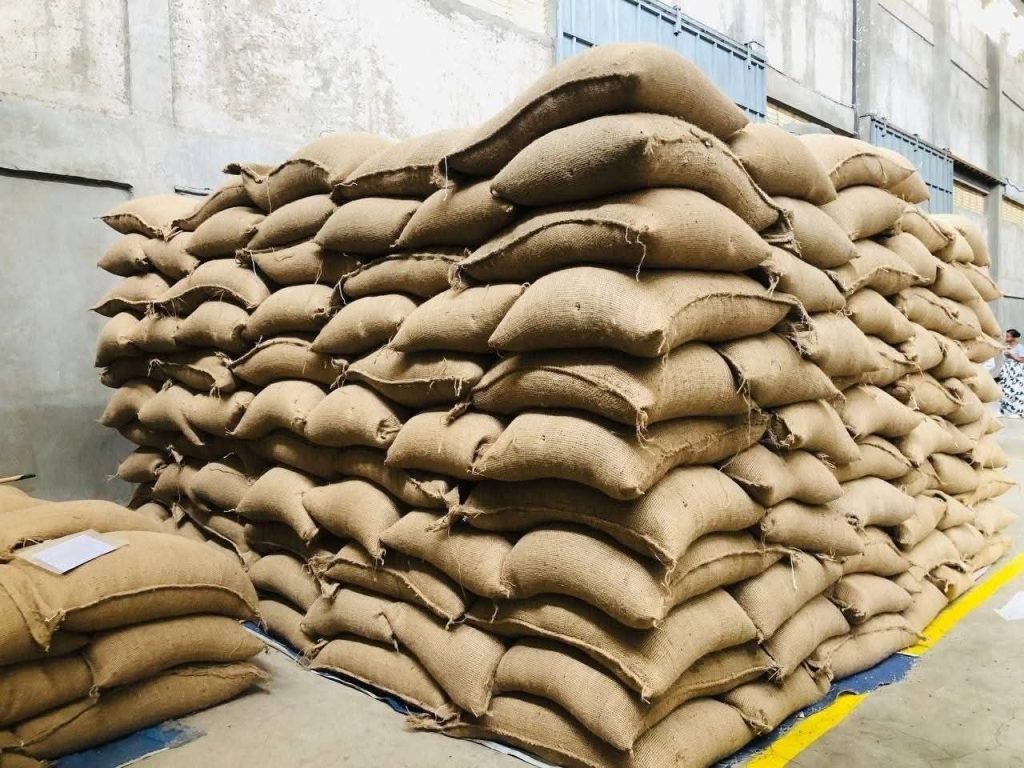
Ethiopia is also projected to export about 7.13 million bags of coffee in the same period.
That’s not just about quantity—it reflects global demand for Ethiopian beans.
So why is the world so interested?
Because Ethiopian coffee has something special going for it:
- Distinct floral and fruity flavor notes
- Strong reputation in specialty coffee markets
- High demand from premium roasters
- Origin diversity that appeals to coffee enthusiasts
If coffee had a “luxury craft” category, Ethiopia would sit near the top of it.
China’s Coffee Boom Is Changing the Game
One of the most interesting developments right now is China’s growing appetite for Ethiopian coffee.
This isn’t just a small trend—it’s becoming a real market shift.
Here’s what’s driving it:
- Easier trade conditions due to tariff-free access
- Rapid growth of coffee culture in major cities
- Younger consumers exploring global flavors
- Expanding café chains and specialty shops
For Ethiopia, this opens a huge new demand channel outside the traditional buyers in Europe and North America.
And for the global coffee market, it adds a new layer of competition and opportunity.
Behind the Growth: Real Pressure on the Ground
It’s not all smooth sailing.

While production and exports look promising, the 2025/26 period has been financially tough for many players in the supply chain.
Some of the biggest challenges include:
- Rising prices of fresh coffee cherries
- Higher transportation and operating costs
- Tight margins for exporters and traders
- Increased competition for quality beans
This creates a tricky situation: farmers benefit from higher prices, but exporters often struggle with shrinking profit margins.
It’s a balancing act that doesn’t have an easy solution.
Why Ethiopian Coffee Still Holds Global Power
Even with challenges, Ethiopia remains one of the most influential coffee origins in the world. And that’s not changing anytime soon.
A few reasons it continues to stand out:
- It’s the birthplace of Arabica coffee
- Unique heirloom varieties you can’t find elsewhere
- Strong reputation in specialty coffee markets
- Deep cultural identity tied to the product
- Consistent demand from global roasters
In a crowded global coffee market, Ethiopia doesn’t compete just on volume—it competes on identity and quality.
Read: Abay Bank ESX Irratti Galmaa’e: Kun Invastarootaa fi Dinagdee Itoophiyaaf Maal Jechuudha?
What This Means for Coffee Drinkers Everywhere
If you’re someone who enjoys coffee daily, whether it’s a quick instant cup or a carefully brewed pour-over, Ethiopia’s coffee story eventually reaches your cup.
Higher demand means:
- More Ethiopian beans in cafés and roasters
- Continued growth of specialty coffee offerings
- Rising awareness of coffee origin and quality
- More competition for premium beans globally
In short, your coffee experience is becoming more connected to global agricultural shifts than ever before.
Final Thoughts
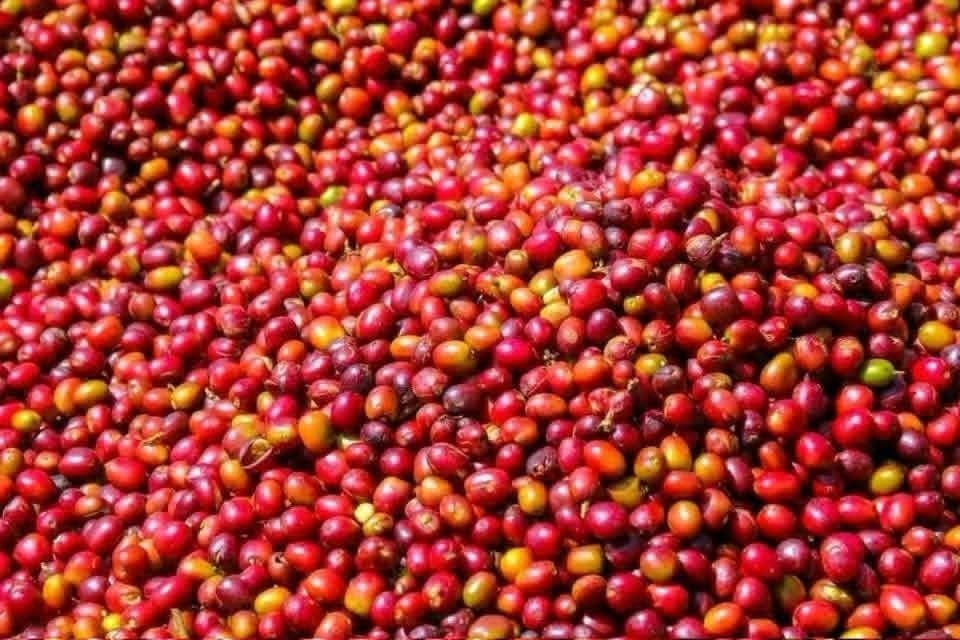
Ethiopia’s coffee sector is standing at an interesting intersection—strong production outlook, rising global demand, new markets opening up, and real pressure on the supply chain.
It’s not just a story about beans. It’s a story about people, trade, culture, and how something as simple as coffee connects the world in unexpected ways.
So the next time you sip your coffee, there’s a good chance it carries a little piece of Ethiopia’s highlands with it.
And maybe that makes the experience just a bit more meaningful.